introduction
Efficient irrigation is essential for modern agriculture, landscaping, and water management. Sprinkler systems depend on durable and reliable pipe couplings. A well-chosen sprinkler pipe coupling improves water distribution, reduces leakage, and simplifies maintenance. In this blog, we explore types, benefits, installation tips, and performance analysis for sprinkler pipe couplings.
What Is a Sprinkler Pipe Coupling?
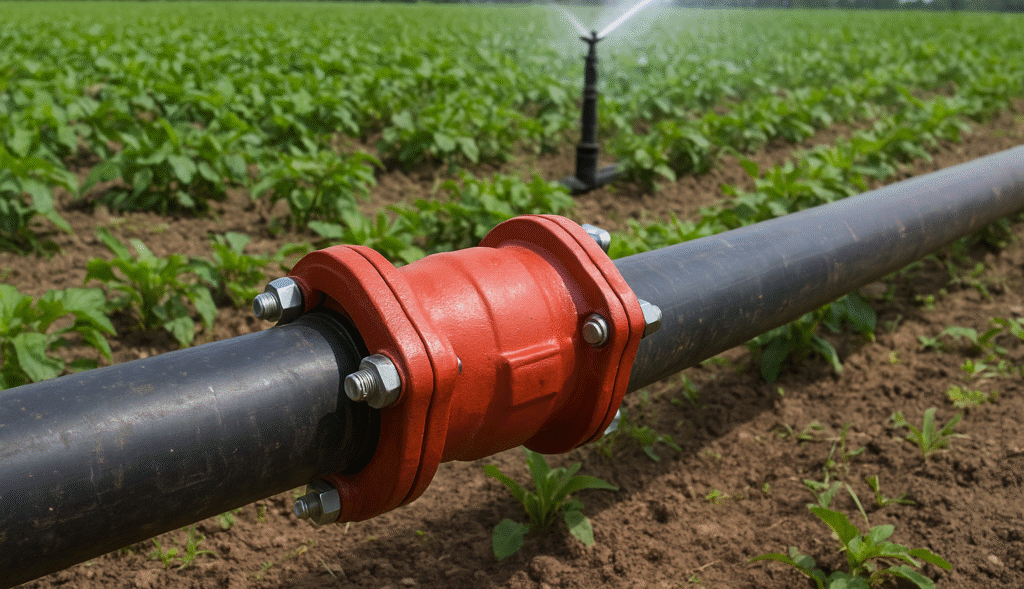
A sprinkler pipe coupling is a connector joining two pipes in an irrigation system. It ensures a secure, leak-proof connection. Couplings are designed to withstand water pressure, soil stress, and temperature variations.
Key Features Include:
Leak-resistant design
Durability under high water pressure
Easy installation and maintenance
Compatibility with various pipe materials
Types of Sprinkler Pipe Couplings
Selecting the correct coupling depends on the system design and water flow requirements. Main types include:
1. Slip Couplings
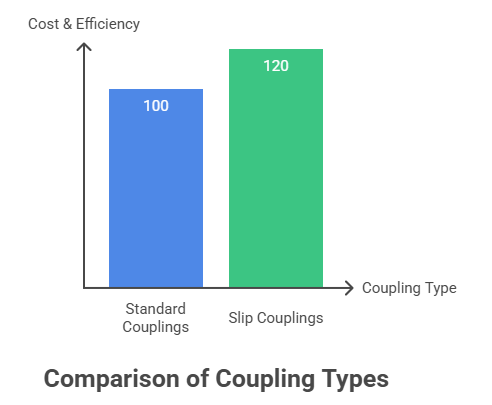
Slip couplings slide over pipes, requiring minimal adjustments. They provide flexibility and quick installation.
2. Threaded Couplings
Threaded couplings screw onto pipes, ensuring a tight seal. Ideal for high-pressure systems.
3. Compression Couplings
These couplings compress a gasket around the pipe. They prevent leaks even in shifting soil conditions.
4. Flexible Couplings
Flexible couplings accommodate minor misalignments and vibrations, increasing system longevity.
Benefits of Sprinkler Pipe Couplings
Proper pipe coupling installation brings multiple advantages:
Leak Prevention: Reduces water loss, saving costs.
Time-Saving Installation: Slip and flexible couplings simplify assembly.
System Longevity: Reduces pipe stress, extending lifespan.
Maintenance Efficiency: Quick replacement lowers downtime.
Choosing the Right Material
Material selection affects durability and system performance. Common options include:
PVC: Lightweight, affordable, and corrosion-resistant.
HDPE: Flexible, impact-resistant, suitable for underground systems.
Stainless Steel: High strength, excellent for commercial systems.
Brass: Corrosion-resistant, durable, but costly.
Installation Tips for Sprinkler Pipe Couplings
Correct installation prevents leaks and maximizes efficiency. Follow these steps:
Measure and Cut: Ensure pipe ends are clean and straight.
Select Proper Coupling: Match diameter and material.
Apply Sealant or Lubricant: For threaded or slip couplings.
Secure Connection: Tighten without over-stressing the pipe.
Test the System: Check for leaks and pressure consistency.
Maintenance of Couplings
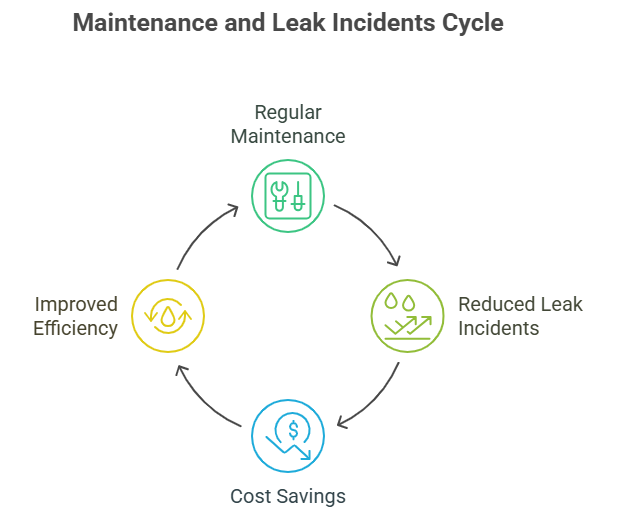
Regular maintenance prevents failures and water loss:
Inspect for cracks or corrosion.
Replace damaged gaskets or O-rings.
Clean debris from connections.
Check pressure regularly.
Cost and Efficiency Analysis
Using high-quality couplings may slightly increase initial costs but saves money long-term. Benefits include reduced water waste, lower repair expenses, and enhanced system efficiency.
Common Mistakes to Avoid
Avoiding errors prolongs system life:
Using incompatible materials
Over-tightening couplings
Neglecting regular maintenance
Ignoring water pressure recommendations
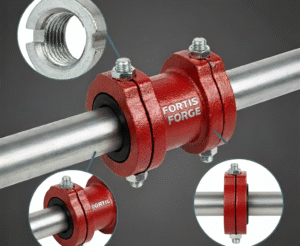
Fortis Forge Advantage
Fortis Forge specializes in high-quality irrigation components. Their sprinkler pipe couplings are:
Tested for durability under extreme conditions
Easy to install, even for large-scale systems
Designed for leak-free performance
Conclusion
Sprinkler pipe couplings are essential for efficient water distribution. Selecting the right type, material, and installation method reduces leaks and maintenance costs. Couplings from Fortis Forge provide reliability and long-term efficiency for any irrigation system.
Investing in quality couplings ensures sustainable water use and consistent system performance.