Introduction
In piping systems, connecting pipes of different diameters is often necessary. A GI socket reducer plays a vital role in achieving this. It ensures smooth fluid flow while maintaining pipeline strength and durability.
Galvanized iron (GI) is widely used because of its anti-corrosion properties, long life, and affordability. The socket reducer, made from GI, connects two pipes of unequal diameters. It is threaded, durable, and suitable for water, gas, and industrial pipelines.
This blog explores GI socket reducers in detail, including uses, advantages, sizes, applications, and market trends.
What is a GI Socket Reducer?
A GI socket reducer is a pipe fitting used to connect two pipes of different diameters. It allows reduction in pipe size without compromising strength.
These reducers are manufactured with galvanized coating, which protects against rust and ensures longevity. They are threaded fittings, which makes installation simple and secure.
GI socket reducers are preferred in plumbing, gas supply, fire-fighting lines, and industrial pipelines.
Key Features of GI Socket Reducers
Durability: Made from galvanized iron with anti-rust protection.
Easy Installation: Threaded design enables quick fitting.
Leak-Proof: Ensures secure connection between different pipe sizes.
Versatile Applications: Suitable for water, gas, steam, and industrial systems.
Cost-Effective: Affordable compared to stainless steel or brass reducers.
Applications of GI Socket Reducers
Water Supply Lines – Widely used in municipal and residential water pipelines.
Gas Pipelines – Provide secure connections in LPG and natural gas distribution.
Fire Sprinkler Systems – Support high-pressure flow distribution.
Industrial Plants – Used in oil, chemical, and power plants.
Agriculture Irrigation – Connects different diameter pipes for irrigation systems.
Advantages of GI Socket Reducers
Corrosion Resistance: GI coating protects against rust and chemicals.
Extended Lifespan: Lasts longer than normal iron fittings.
High Strength: Handles pressure in industrial and residential systems.
Easy Availability: Widely available in different sizes.
Compatibility: Works with standard GI pipe threads.
Standard Sizes of GI Socket Reducers
GI socket reducers are available in multiple sizes to fit different pipelines. Common sizes include:
15 mm × 10 mm
20 mm × 15 mm
25 mm × 20 mm
32 mm × 25 mm
40 mm × 32 mm
50 mm × 40 mm
65 mm × 50 mm
80 mm × 65 mm
100 mm × 80 mm
The size depends on the pipe diameter and the required flow rate.
Manufacturing Process of GI Socket Reducers
Casting or Forging: Raw iron is shaped into reducer form.
Threading: Threads are created on both ends.
Galvanization: The fitting is coated with zinc to prevent corrosion.
Inspection: Tested for leaks, strength, and durability.
Packaging: Delivered in bulk for industrial and plumbing use.
![Infographic of GI sockets reducer in different sizes – Fortis Forge branding]](https://fortis-forge.com/wp-content/uploads/2025/09/Screenshot-2025-09-28-014557.png)
Market Demand and Growth
The global demand for GI fittings is rising due to infrastructure projects, housing developments, and industrial expansion. GI socket reducers are in demand for both domestic and industrial projects.
The demand is particularly strong in Asia-Pacific, Africa, and the Middle East, where rapid urbanization and construction growth fuel consumption.
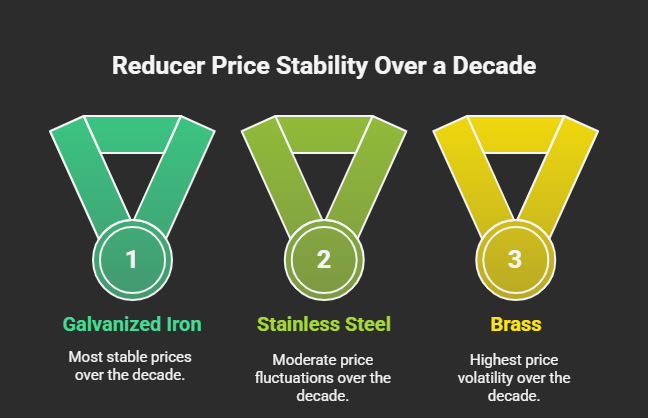
Cost Comparison – GI vs. Stainless Steel vs. Brass
When choosing pipe fittings, cost plays a major role. GI reducers are more affordable than stainless steel or brass alternatives.
GI Reducers: Low cost, durable, corrosion-resistant.
Stainless Steel Reducers: High cost, strong, long-lasting, preferred for chemical plants.
Brass Reducers: Moderate cost, corrosion-resistant, used in specific applications.
Why Choose GI Socket Reducers from Fortis Forge?
Fortis Forge provides precision-engineered GI socket reducers with consistent quality. Their products follow strict international standards and go through rigorous testing.
Key Benefits of Fortis Forge Products:
Manufactured from premium galvanized iron.
Available in a wide range of sizes.
Tested for strength, durability, and leak resistance.
Competitive pricing for bulk orders.
Trusted supplier for domestic and international projects.
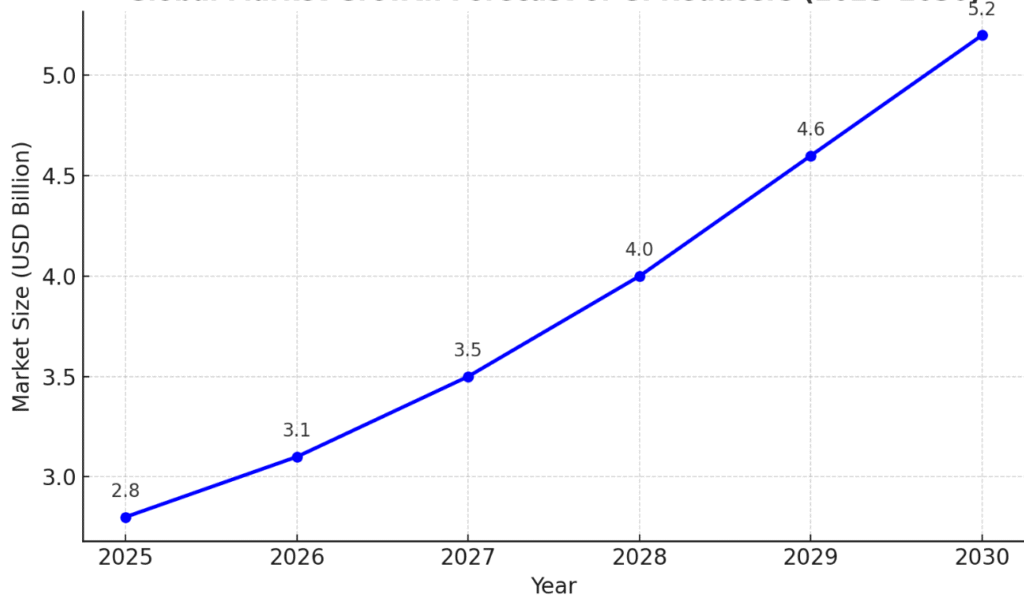
Global Market Forecast
The GI fittings market is expected to grow steadily between 2025 and 2030. Rising demand for water supply systems, urban housing, and industrial projects drives this growth.
Maintenance of GI Socket Reducers
Proper maintenance ensures long life and efficiency.
Inspect regularly for leaks or cracks.
Use proper threading compounds for sealing.
Replace old reducers to prevent pipeline damage.
Avoid chemical exposure that may reduce lifespan.
Buying Guide for GI Socket Reducers
When purchasing, consider:
Correct Size: Match with pipeline diameter.
Thread Quality: Ensure smooth and accurate threading.
Galvanization Quality: Look for uniform zinc coating.
Certification: Choose products tested to standards.
Supplier Reputation: Reliable brands like Fortis Forge ensure quality.
Diagram of GI Socket Reducer in Water and Gas Pipeline – Fortis Forge Branding]
![Diagram of GI Socket Reducer in Water and Gas Pipeline – Fortis Forge Branding]](https://fortis-forge.com/wp-content/uploads/2025/09/Screenshot-2025-09-28-015547-e1759006341288.png)
Conclusion
GI socket reducers are essential fittings in modern pipelines. They provide strong, leak-proof, and corrosion-resistant connections. With rising demand in residential, commercial, and industrial projects, their market will continue growing.
Choosing a trusted manufacturer like Fortis Forge ensures top-quality, durable, and affordable GI socket reducers. Whether for water supply, gas lines, or fire safety systems, these fittings deliver long-lasting performance.