Introduction
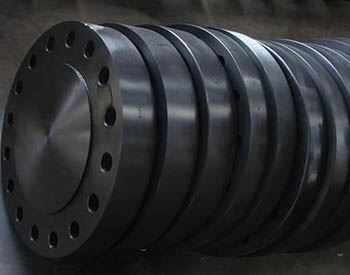
In piping systems, flanges play a critical role in connecting and sealing pipelines. One widely used type is the carbon steel blind flange. Unlike standard flanges, it has no bore. Instead, it seals the end of a pipeline or vessel.
Blind flanges provide safety, prevent leaks, and allow maintenance. Fortis Forge manufactures high-quality carbon steel blind flanges that meet international standards and deliver long-lasting performance.
What Is a Carbon Steel Blind Flange?
They are solid disks used to close the end of pipes, ensuring complete isolation of a pipeline section. This makes them crucial for safety during maintenance, inspections, shutdowns, or pressure testing. Because they have no opening, they can withstand extremely high pressure and provide a secure seal even in demanding conditions.
These components are widely used in industries such as oil, gas, petrochemicals, power generation, water treatment, and chemical processing. They help prevent accidental leakage, maintain system integrity, and allow engineers to safely conduct repairs or modifications. In addition, they are available in various pressure ratings, materials, and sizes to match different industrial standards, making them highly versatile and reliable for critical applications.
Features
Strong tensile strength.
Excellent pressure-handling capacity.
Resistance to wear and tear.
Easy installation and removal.
Long service life with minimal maintenance.
Types
Different designs support diverse industrial needs:
1. Raised Face Blind Flange
Most common type.
Provides excellent sealing.
Suitable for high-pressure systems.
2. Flat Face Blind Flange
Used where mating flanges are flat.
Common in low-pressure applications.
3. Ring Type Joint Blind Flange
Provides metal-to-metal seal.
Ideal for high-pressure, high-temperature services.
4. Weld Neck Blind Flange
Features a projecting neck.
Provides superior stress distribution.
5. Threaded Blind Flange
Contains internal threads.
Easy to install without welding.
Manufacturing Process
Fortis Forge follows a controlled process to ensure superior quality:
Raw material inspection of certified .
Forging at controlled temperatures.
Heat treatment for strength.
Machining to precise dimensions.
Non-destructive testing for safety compliance.
This process ensures durability and consistency in every produced.
Standards and Specifications
They must follow global standards:
ASTM A105 / A350: Material specifications .
ASME B16.5: Pipe flange dimensions and pressure classes.
EN 1092-1: European standard for flanges.
DIN Standards: German industry specifications.
ANSI Standards: American standards for dimensions and pressure ratings.
Fortis Forge blind flanges are fully compliant, ensuring reliability in international projects.
Applications
They are used in multiple industries:
Oil and Gas Pipelines – Seal ends during repairs.
Petrochemical Plants – Ensure system safety during shutdowns.
Power Plants – Handle pressure in boilers and pipelines.
Marine Industry – Applied in ship pipelines.
Water Treatment Plants – Used for temporary isolation.
Benefits
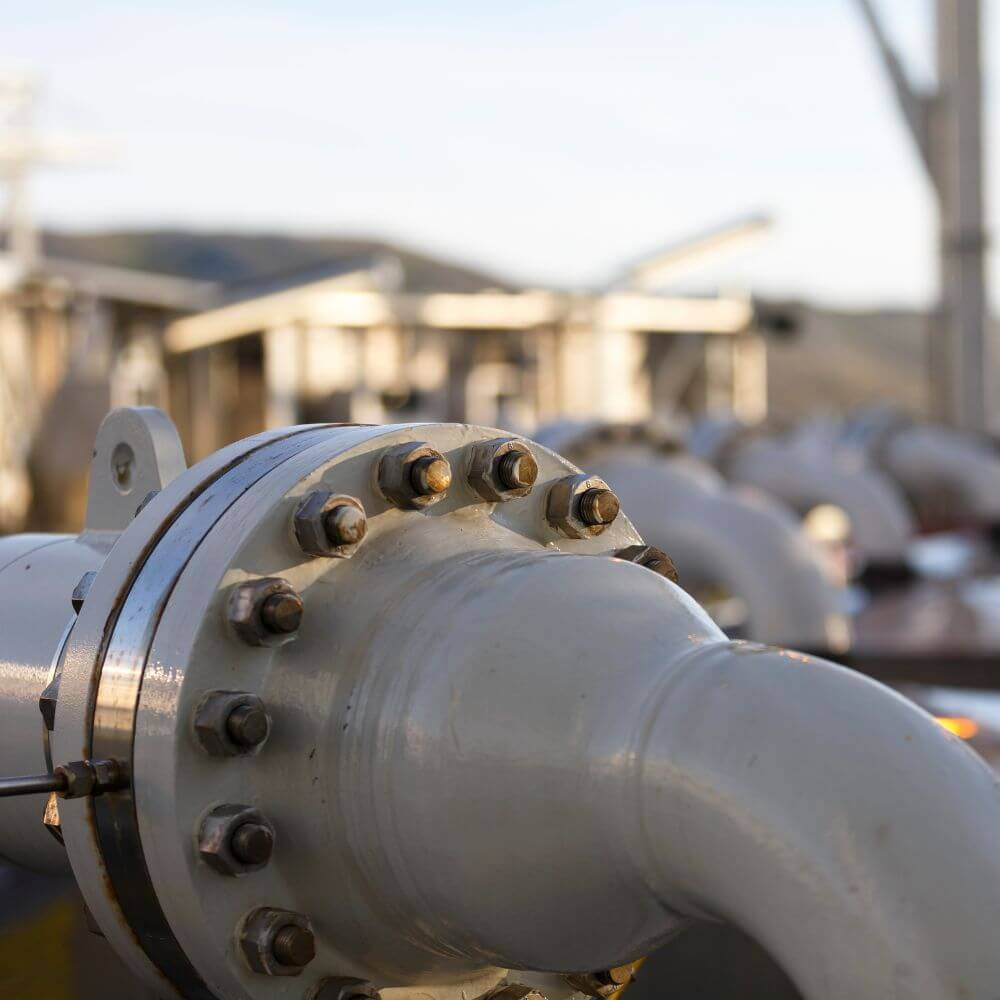
These components are designed to enhance the safety and reliability of pipeline systems by ensuring secure isolation and long-term durability. Their robust construction and functional benefits make them suitable for demanding industrial environments.
Withstand high pressure and temperature.
Provide leak-proof sealing.
Allow easy inspection and cleaning.
Support safe pipeline expansion.
Cost-effective solution for long-term use.
Maintenance and Challenges
In industrial piping systems, these components face various operational challenges that can affect performance and safety. Understanding the common issues and following proper maintenance practices helps extend their lifespan and ensures reliable operation.Common Challenges:
Corrosion in harsh environments.
Wear from pressure fluctuations.
Risk of gasket failure if poorly installed.
Maintenance Tips:
Regular inspections.
Use anti-corrosion coatings.
Ensure proper gasket alignment.
Replace damaged flanges immediately.
Conclusion
It is an essential component in pipeline systems, ensuring safety, preventing leaks, and supporting maintenance activities.
Fortis Forge manufactures blind flanges that meet international standards and offer durability. Their products are trusted in oil, gas, petrochemical, and power industries.
Investing in certified flanges ensures long-term reliability and safety.