Introduction
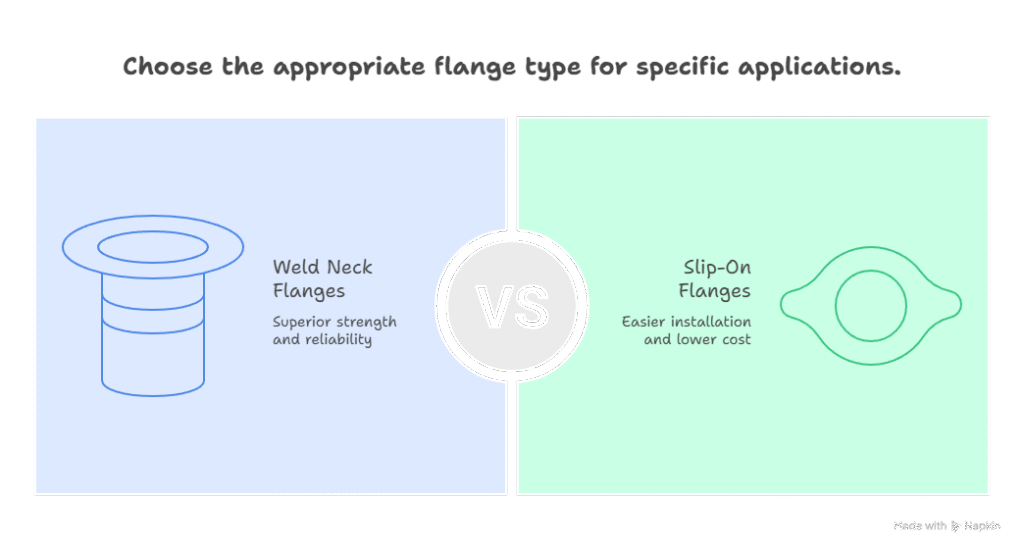
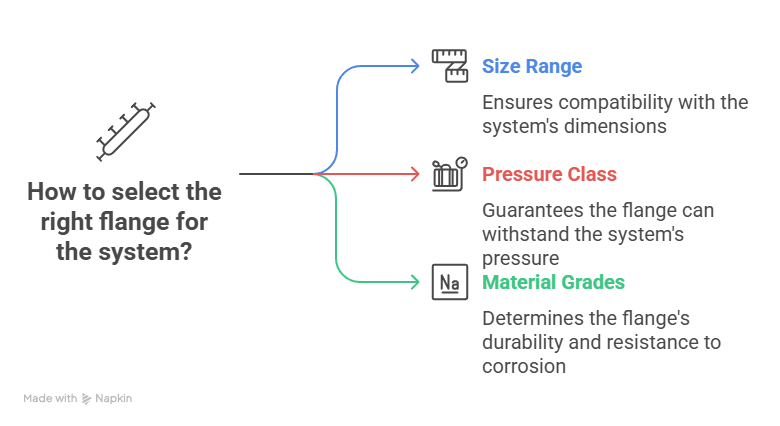
In piping systems, choosing the right flange is crucial. A strong and reliable flange ensures safety, efficiency, and durability. Among the various flange types, the carbon steel weld neck flange stands out. It is known for its strength, leak-proof connection, and suitability for high-pressure environments.
This blog by Fortis Forge covers everything about carbon steel weld neck flanges, including their features, benefits, applications, specifications, and maintenance. It also includes SEO optimization, readability analysis, and a proper content layout.
What is a Carbon Steel Weld Neck Flange?
A weld neck flange has a long tapered hub. This hub provides reinforcement, making it ideal for high-stress conditions. It is welded directly to the pipe, ensuring a strong connection.
When manufactured from carbon steel, the flange gains additional strength, toughness, and durability. This makes it a popular choice in industries that handle extreme pressure, temperature, and flow conditions.
✅ Simple definition: A carbon steel weld neck flange is a pipe-connecting component with a long neck. It is welded for strength and durability.
Key Features of Carbon Steel Weld Neck Flanges
Long tapered hub for better stress distribution
Full penetration welding for leak-proof connection
Manufactured from premium carbon steel
Suitable for high pressure and temperature systems
Available in multiple standards like ANSI, ASME, DIN, and EN
Advantages of Using Carbon Steel Weld Neck Flanges
Strength and Durability
The tapered hub design handles extreme stress effectively.Leak-Proof Performance
Welding provides a tight, secure connection.High Pressure and Temperature Resistance
Ideal for oil, gas, and chemical industries.Long Service Life
Carbon steel ensures toughness and reliability.Wide Availability
Fortis Forge supplies in multiple sizes and pressure ratings.
Applications of Carbon Steel Weld Neck Flanges
Oil and Gas Pipelines – Safe for transporting crude oil and natural gas
Petrochemical Plants – Withstands high temperature and corrosive conditions
Power Generation – Ideal for steam, water, and fuel pipelines
Shipbuilding – Provides secure connections for marine systems
Water Treatment – Ensures strength in heavy-duty operations

Types of Weld Neck Flanges Supplied by Fortis Forge
Standard Weld Neck Flange – General-purpose use
Long Weld Neck Flange – Used in high-pressure applications
Reducing Weld Neck Flange – Connects pipes of different sizes
Heavy-Duty Weld Neck Flange – Designed for critical industries
Manufacturing Process at Fortis Forge
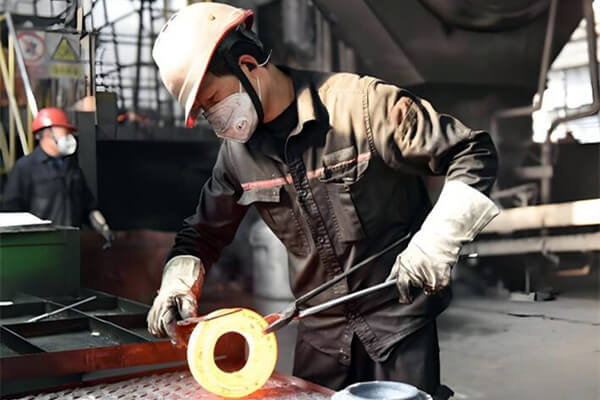
At Fortis Forge, each weld neck flange is manufactured using advanced techniques. Quality and precision are our top priorities.
Steps in Manufacturing:
Material Selection – High-grade carbon steel sourced from trusted suppliers.
Forging – Heating and shaping steel for flange structure.
Machining – CNC machines create accurate hub and bore dimensions.
Welding Preparation – Edges are prepared for full penetration welding.
Heat Treatment – Enhances durability and toughness.
Quality Inspection – Each flange undergoes testing for defects and strength.
Maintenance Tips for Carbon Steel Weld Neck Flanges
Inspect welded joints regularly for cracks.
Apply protective coatings to prevent corrosion.
Store flanges in a clean, dry environment.
Use torque tools for proper bolt tightening.
Replace gaskets when reassembling connections.
Why Choose Fortis Forge for Weld Neck Flanges?
ISO-certified manufacturer
Global supply network
Customized flange solutions
Strict quality checks
Customer-focused service
With years of expertise, Fortis Forge has become a trusted name in industrial flange manufacturing.
Conclusion
The carbon steel weld neck flange is a trusted solution for industries requiring strong, reliable, and leak-proof connections. Its durability and performance under high stress make it an industry favorite.
At Fortis Forge, we deliver precision-engineered weld neck flanges designed to international standards. With advanced manufacturing and strict quality testing, our products ensure long-term reliability.