Introduction
Fire safety is not optional. Every commercial and residential building needs a strong fire suppression system. Fire sprinklers are at the heart of these systems. However, without the right pipe fittings, sprinklers cannot work effectively.
In this guide, Fortis explains fire sprinkler system pipe fittings in detail. You will learn about types, functions, materials, installation, and maintenance. We will also analyze why proper fittings save lives and property.
Why Pipe Fittings Matter in Fire Sprinkler Systems
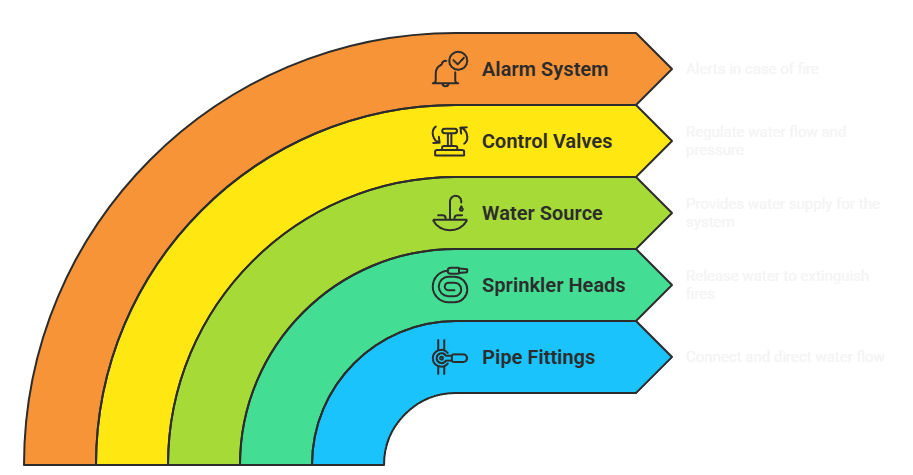
Pipe fittings connect pipes, control water flow, and ensure system reliability. Even a single weak fitting can cause leaks or failure.
A sprinkler system is only as strong as its weakest fitting. With reliable fittings, water flows quickly and efficiently during a fire. This efficiency reduces damage and increases survival chances.
Types of Fire Sprinkler System Pipe Fittings
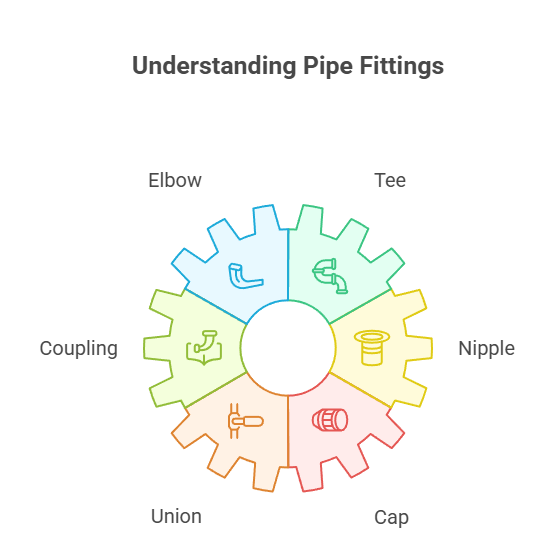
Different fittings serve unique purposes. Here are the main types:
1. Elbows
Elbows change the direction of water flow. They help pipes adjust around walls, ceilings, and obstacles.
2. Tees
Tees split water into two directions. They allow one pipe to feed multiple sprinklers.
3. Couplings
Couplings connect two pipes together. They can be rigid or flexible. Flexible couplings absorb movement and stress.
4. Reducers
Reducers connect pipes of different sizes. They balance pressure and flow.
5. Caps and Plugs
Caps and plugs close the end of a pipe. They protect the system from leaks and debris.
6. Valves
Valves control water flow. They allow isolation for maintenance without shutting the entire system.
Materials Used in Fire Sprinkler Pipe Fittings
Pipe fittings come in different materials. Each material has strengths and limitations.
1. Steel Fittings
Steel is strong and durable. It resists pressure and heat. However, it may corrode over time.
2. Copper Fittings
Copper resists corrosion. It also has a long lifespan. It is often used in high-end systems.
3. Ductile Iron Fittings
Ductile iron is flexible yet strong. It is used in large systems that require durability.
4. CPVC Fittings
CPVC is lightweight and easy to install. It resists corrosion but may not handle extreme heat as well as metal.
Standards and Codes for Fire Sprinkler Fittings
Fire sprinkler systems must follow strict standards. These codes ensure safety and performance.
NFPA 13: Sets the design and installation requirements.
UL and FM Approvals: Indicate that fittings meet safety standards.
Local Building Codes: Cities may add extra requirements.
Following these standards avoids compliance issues and ensures insurance approval.
Installation Best Practices
Proper installation is as important as material selection. Here are best practices:
Always check fitting size before connection.
Use approved tools to avoid pipe damage.
Test fittings for leaks after installation.
Follow NFPA and local guidelines closely.
Transitioning to modern systems may also require retrofitting old fittings. Always use professional installers for safety.
Common Problems with Pipe Fittings
Even strong fittings face issues. Here are common problems:
Corrosion: Metal fittings may weaken with age.
Leaks: Poor installation can cause small leaks that reduce pressure.
Blockages: Debris inside fittings slows water flow.
Wear and Tear: Stress, vibration, and pressure reduce fitting life.
Regular inspection prevents these problems.
Maintenance and Inspection
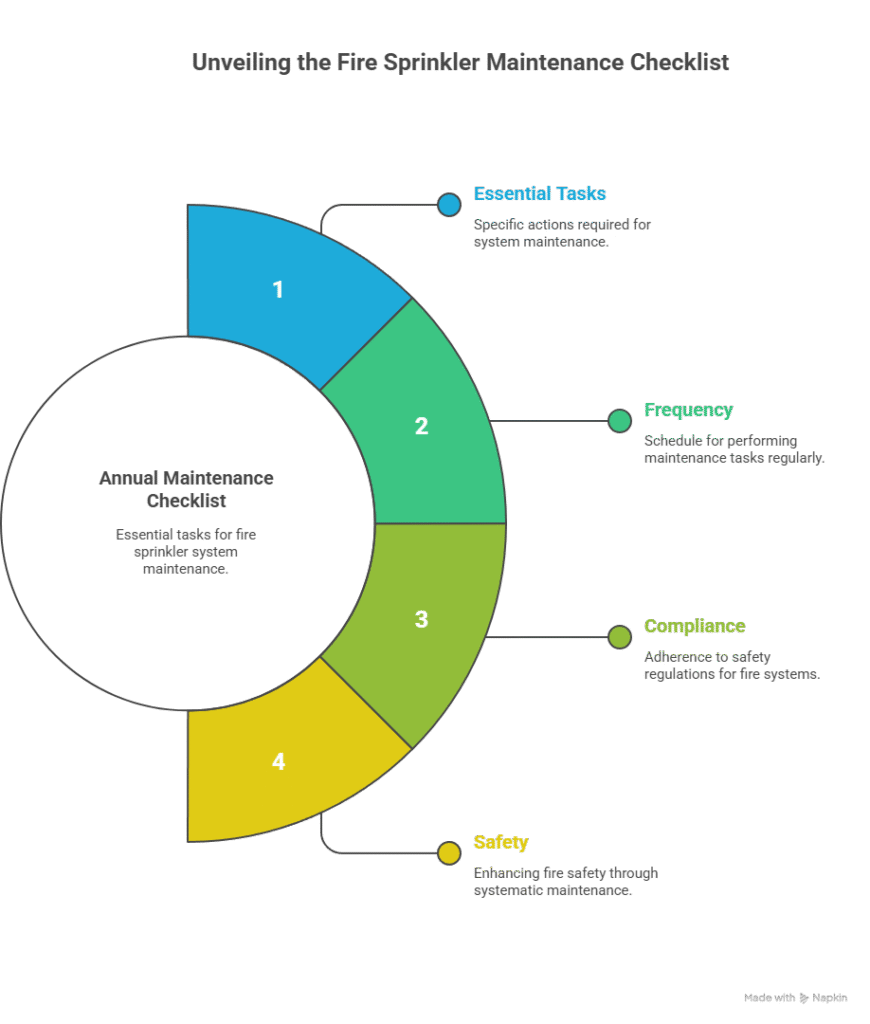
Maintenance ensures fittings remain reliable. Here’s what Fortis recommends:
Inspect fittings every year.
Check for corrosion, cracks, or leaks.
Flush pipes to clear blockages.
Replace worn fittings immediately.
Cost Considerations
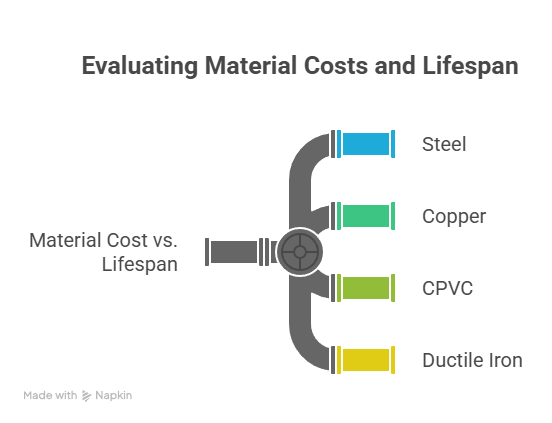
Pipe fittings are a long-term investment. Choosing cheaper but weaker fittings risks safety.
Costs depend on:
Material type (steel is pricier than CPVC).
System size.
Local building code requirements.
Though initial costs may be high, durable fittings reduce long-term expenses.
Benefits of High-Quality Fittings
Choosing high-quality fittings offers many benefits:
Reliability: They ensure steady water flow during a fire.
Durability: They last longer and resist wear.
Compliance: They meet NFPA and insurance requirements.
Efficiency: They reduce leaks and maintenance costs.
Fortis recommends prioritizing safety over short-term savings.
Choosing the Right Supplier
Not all suppliers provide quality fittings. A trusted company like Fortis ensures:
Approved and certified fittings.
Expert advice for system design.
Reliable customer support.
Competitive pricing with no compromise on safety.
Fire Sprinkler Pipe Fittings in Modern Buildings
Modern architecture demands efficient fire systems. High-rise buildings, warehouses, and hospitals all need strong fittings.
Smart fittings are also emerging. These include corrosion-resistant alloys and fittings designed for faster installation. Fortis stays ahead by providing modern solutions.
Future Trends in Fire Sprinkler Fittings
Innovation is shaping the future of fire safety. Future trends include:
Smart sensors in fittings for leak detection.
Eco-friendly materials with less environmental impact.
3D-printed fittings for custom solutions.
These trends will make systems safer and more efficient.
Conclusion
Fire sprinkler pipe fittings are more than just connectors. They are the lifelines of fire safety systems. Choosing the right fittings ensures reliability, compliance, and peace of mind.
Fortis stands as a trusted partner in delivering high-quality sprinkler fittings. With proper installation, inspection, and maintenance, these fittings protect both life and property.
Invest in quality today for safety tomorrow.